

 See My Latest Article on HelloNation

What Are Property Taxes and Why Do Homeowners Pay Them?
Property taxes are local taxes that homeowners pay based on the value of their real estate. Funds collected help support public services such as local schools, emergency services, and infrastructure maintenance. In Greeneville, TN, these taxes are managed by the local government and are a key part of how community resources are funded.
How Is Property Tax Calculated in Greeneville, TN?
Homeowners often wonder why their property tax bill changes or seems unpredictable. Each property is assessed for its market value by the county assessor. The assessed value is then multiplied by a set tax rate, which is determined annually by the local government.
For example, if a home in Greeneville is assessed at $150,000 and the current property tax rate is $2.30 per $100 of assessed value, the calculation is:
- $150,000 ÷ $100 = 1,500
- 1,500 × $2.30 = $3,450 in annual property tax
It’s good to remember that tax rates and assessed values can change each year, which can impact the total owed.
What Factors Can Affect My Property Tax Bill?
Several local factors impact a homeowner’s tax amount:
- Changes in the assessed value of your property due to market shifts or improvements (like an addition or renovation)
- Adjustments to the annual property tax rate made by the city government
- Exemptions or credits that reduce the taxable value for qualifying homeowners (discussed below)
Seasonal weather events such as storms or flooding may spur new local projects, which sometimes influence municipal budgets and indirectly affect tax rates in the future.
Are There Exemptions or Relief Programs for Property Taxes?
Yes, Greeneville offers several exemptions aimed at reducing the property tax burden:
- Certain disabled homeowners, elderly residents, and some veteran households may qualify for tax relief or reductions.
- Homeowners should check annual eligibility requirements and deadlines. Most exemptions require proper documentation and timely application through the county trustee’s office.
A common misconception is that all homeowners automatically receive these benefits. Exemptions must be actively applied for and are not retroactive for previous years.
How and When Do Homeowners Pay Property Taxes?
Homeowners in Greeneville usually receive a property tax bill in the fall. The bill details the assessed value, tax rate, and total amount due. Payment is generally due by the end of February of the following year.
Residents can pay:
- In person at designated local government offices
- By mail, if submitting before the deadline
- Online, through the official city or county website
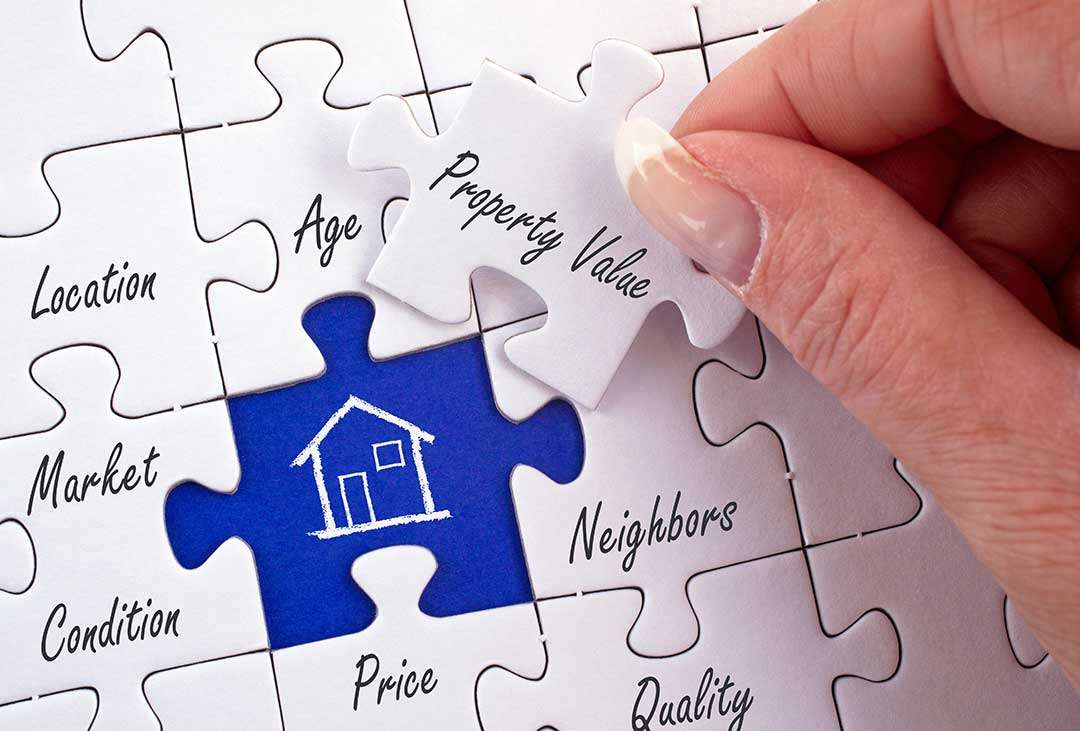
It’s important to meet deadlines, as late payments may incur penalties or interest.
What Happens if My Taxes Aren’t Paid on Time?
If property taxes are not paid by the due date, the unpaid balance may accrue penalties and interest. Over time, continued non-payment can lead to a tax lien being placed on the property. In extreme circumstances, this can result in a tax sale, where the property is auctioned to recover unpaid taxes. It’s a misconception that missing a single payment means immediate legal action—there are usually several notices and procedures beforehand. Still, it’s vital to stay current to avoid complications for your household or when selling your home.
How Can I Understand My Assessment or Appeal It?
Assessment notices detail how the property’s value was determined. Homeowners who believe the assessed value is incorrect can request a review or file a formal appeal. This process typically involves providing evidence such as recent sales of similar homes or documentation of property defects. Appeals are time-sensitive. Most are handled locally, and information about deadlines and required forms is available through the city or county assessor’s office.
Can Property Taxes Change From Year to Year in Greeneville?
Yes, property taxes may change annually. Factors include:
- Updates to the property’s assessed value reflecting changes in the real estate market or home improvements
- Adjustments made by local government to the property tax rate, often in response to changing municipal needs or budgets
Even if tax rates remain stable, rising property values can increase bills. Conversely, if assessed values fall or the tax rate is adjusted downward, some homeowners may see a decrease.
What Common Questions or Misconceptions Do Residents Have?
- “I paid off my mortgage. Do I still pay property taxes?” Yes, property taxes are owed regardless of mortgage status.
- “If my home’s value drops, will my taxes go down?” Not always. Taxes depend on both the assessed value and the set rate. Appeals are possible if values seem inflated.
- “Is my property tax bundled into my mortgage?” For many, it’s escrowed and paid by the mortgage servicer, but the responsibility remains with the homeowner.